Identifying Early Warning Signs: The Importance of Regular Roof Inspections
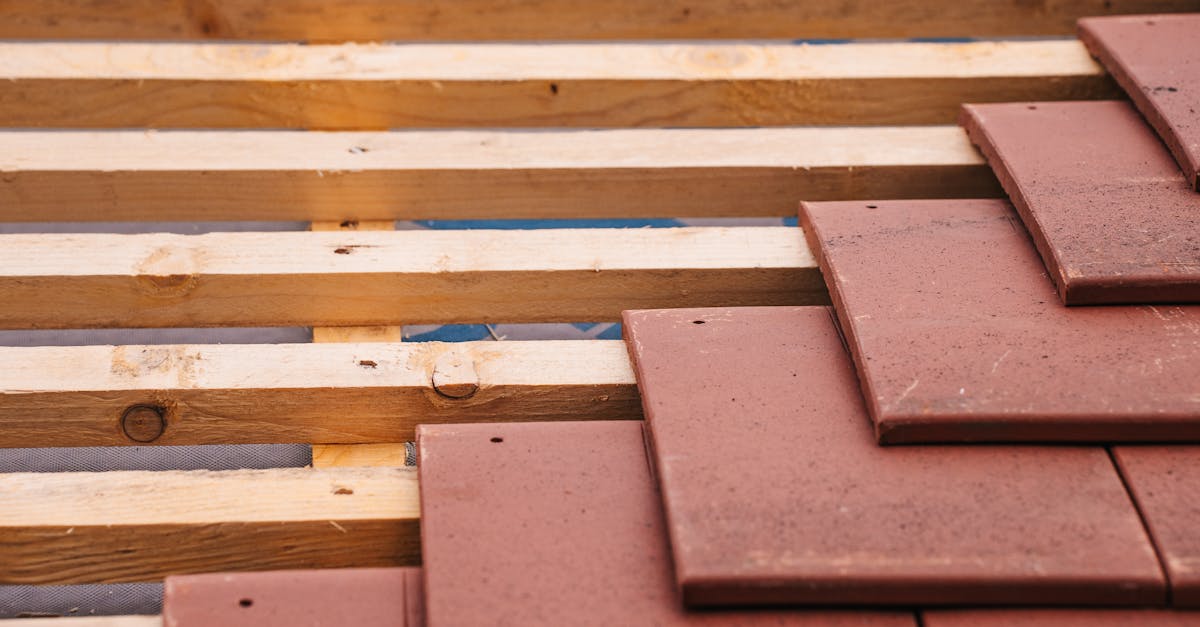
Table Of Contents
Signs of Leaks and Water Damage
Homeowners should be vigilant for signs of leaks and water damage, as early detection can prevent more severe issues later on. A common indication is the presence of water stains on ceilings or walls, which may appear discoloured or damp. Peeling paint or wallpaper can also suggest that moisture is trapped beneath the surface. Additionally, musty odours and the growth of mould in corners or around windows can signal prolonged exposure to moisture.
External symptoms can be just as telling. Check for damaged shingles, as their absence can expose the underlayment to water intrusion. Visible sagging in the roofline may indicate structural damage, leading to potential leaks. Gutter blockages may also contribute to water pooling, which poses a risk for seepage into the home. Regularly assessing these signs is crucial to maintaining the integrity of the roof and safeguarding the structure beneath it.
Recognising Internal and External Symptoms
Internal symptoms of roofing issues often manifest as discoloured spots on ceilings and walls. These stains typically indicate that water is penetrating through the roof structure. In addition to stains, you may notice peeling paint or bubbling plaster, both signs that moisture has infiltrated your living space. Increased humidity levels inside the home can also result from roof inadequacies, creating a ripe environment for mould growth.
External symptoms are easier to spot and can provide immediate insight into potential problems. Look for missing or damaged shingles, as they compromise the roof's protective barrier. Granule loss on asphalt shingles creates vulnerabilities that can lead to leaks. Additionally, accumulated debris in gutters and on the roof can trap moisture, worsening any existing issues. Regular examination of these signs can help catch problems early before they escalate into more significant repairs.
The Importance of Roof Ventilation
Proper roof ventilation plays a crucial role in maintaining a building's integrity and health. It allows for the efficient exchange of air, which helps to prevent moisture from accumulating in the attic space. Excessive humidity can lead to damage such as mould growth, wood rot, and structural weaknesses over time. By ensuring that there is adequate airflow, homeowners can significantly prolong the lifespan of their roof and avoid costly repairs.
Additionally, effective ventilation helps regulate temperature extremes in the attic, which can also contribute to energy efficiency. When roofs are well-ventilated, it reduces the likelihood of ice dams forming in winter and keeps the spaces cooler during summer months. This balance not only protects the building materials but also aids in maintaining a comfortable environment indoors, ultimately supporting the overall functionality of the home.
Preventing Damage Through Proper Airflow
Maintaining adequate roof ventilation is crucial for preventing moisture buildup and promoting a healthier roofing environment. Poor airflow can lead to trapped heat and humidity, fostering the growth of mould and mildew that can compromise the structural integrity of the roof. Ensuring that vents are clear of obstructions and that the roof has a well-planned ventilation system helps to regulate temperature and moisture levels. Inspecting these systems regularly allows homeowners to identify potential blockages or weaknesses before they escalate into more significant issues.
The design of the roof and the materials used play essential roles in how effectively airflow is managed. Different roofing systems may have unique requirements for optimal ventilation, necessitating customised approaches during inspections. For instance, gable roofs and flat roofs have distinct airflow dynamics, which influences how heat and moisture are expelled. Understanding these dynamics can assist homeowners in making informed decisions about their roof’s ventilation needs. Regular checks ensure that the roofing system continues to function efficiently, protecting the home from unnecessary damage.
Different Roof Types and Their Vulnerabilities
Roofs come in various materials, each with unique strengths and weaknesses. For instance, tiled roofs are often praised for their durability but can be susceptible to cracking or loosening due to high winds or extreme temperature fluctuations. Metal roofs, on the other hand, are lightweight and long-lasting but may suffer from corrosion in coastal areas if not properly treated. Understanding these vulnerabilities helps homeowners take proactive measures to maintain their roofs effectively.
Flat roofs present their own set of challenges. Water pooling is a common issue that can lead to leaks if drainage systems aren't functioning correctly. Similarly, asphalt shingle roofs, while popular for their affordability, can deteriorate faster in areas experiencing severe weather conditions. A clear understanding of these vulnerabilities associated with different roofing types ensures that inspections are thorough and tailored to address specific potential issues.
Tailoring Inspections for Specific Materials
Different roofing materials come with unique characteristics that demand tailored inspection approaches. Asphalt shingles, for example, may show signs of wear through curling or blistering, indicating the need for replacement sooner than expected. Metal roofs, while durable, can be susceptible to rust or corrosion, especially around seams and fasteners. Regular checks for these specific vulnerabilities can help extend the lifespan of the roof and ensure it remains watertight.
Tile roofs present their own set of challenges, particularly with broken or cracked tiles that could allow water infiltration. It’s essential to examine the underlayment for signs of leaks, as this can often go unnoticed until significant damage occurs. Flat roofs require rigorous inspections as well, since standing water may lead to deterioration of materials over time. Understanding the nuances of each roof type ensures that inspections are comprehensive, keeping properties protected from the elements.
FAQS
How often should I have my roof inspected?
It is recommended to have your roof inspected at least once a year, especially after severe weather events, to identify any potential issues early.
What are the most common signs of roof leaks?
Common signs of roof leaks include water stains on ceilings or walls, damp patches, peeling paint, and visible mould or mildew.
How does roof ventilation affect my roofing system?
Proper roof ventilation helps to regulate temperature and moisture levels in your roof space, preventing damage from trapped heat and humidity, which can lead to mould growth and structural issues.
Are certain roof types more susceptible to damage?
Yes, different roof types have unique vulnerabilities; for example, flat roofs can accumulate water, while tile roofs may suffer from cracked or broken tiles. Tailored inspections based on material type can help identify these issues.
What should I do if I find signs of damage during an inspection?
If you discover signs of damage, it’s crucial to contact a professional roofing contractor as soon as possible to assess the situation and perform necessary repairs.
Related Links
Regular Roof Inspections: A Guide for Melbourne HomeownersHow Regular Inspections Can Extend the Life of Your Roof in Melbourne
Common Mistakes to Avoid During Roof Inspections in Melbourne
The Impact of Regular Inspections on Insurance Claims for Roof Damage
How to Prepare for a Roof Inspection: Tips for Melbourne Residents